May 1st 2026 Report
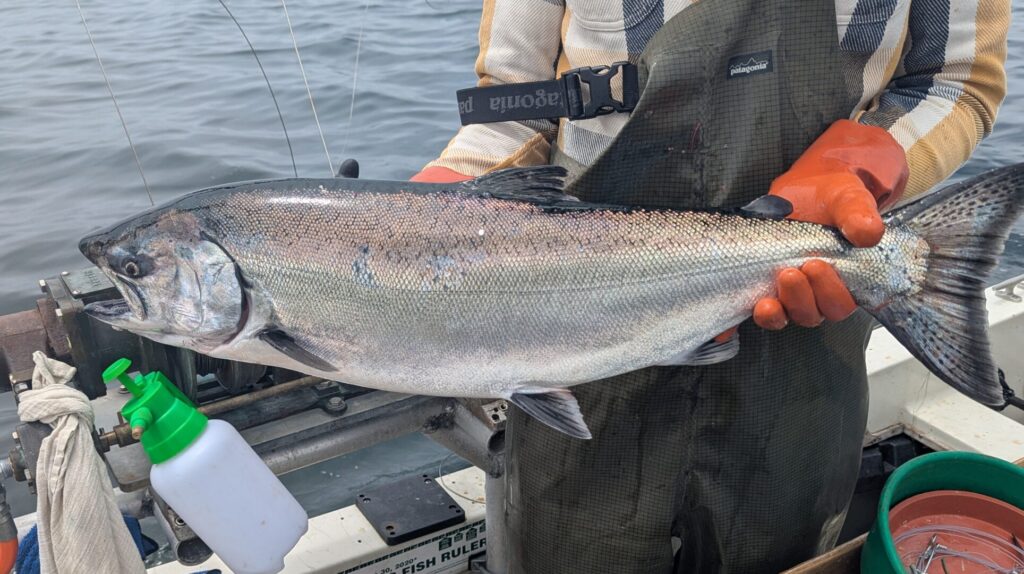
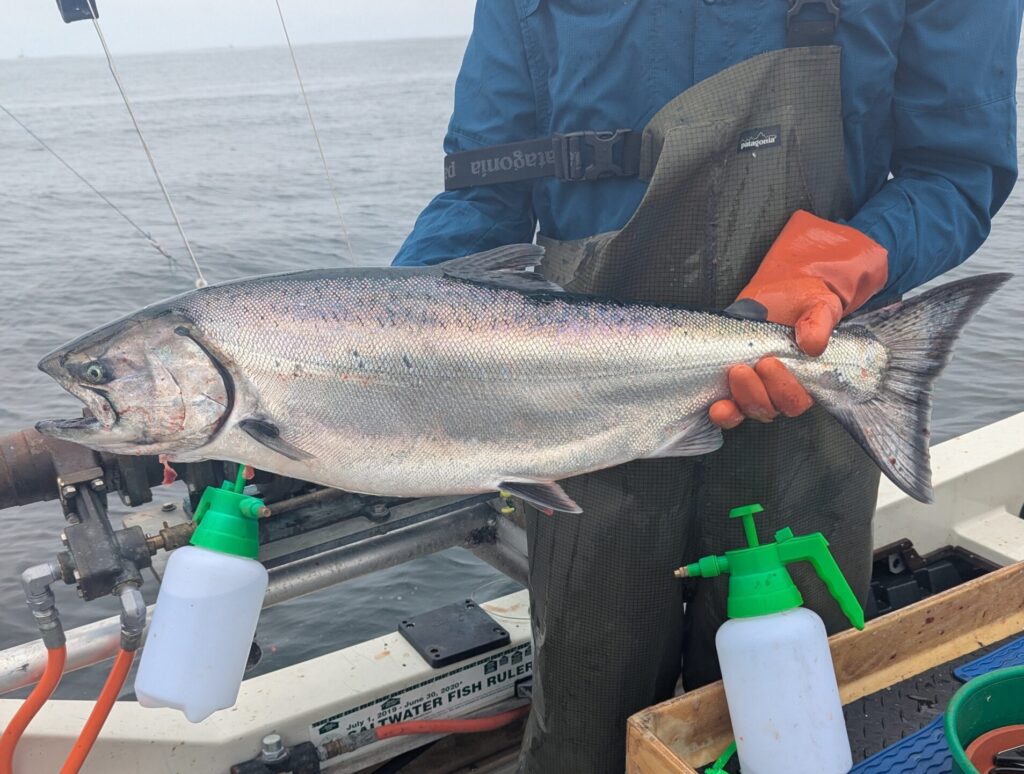
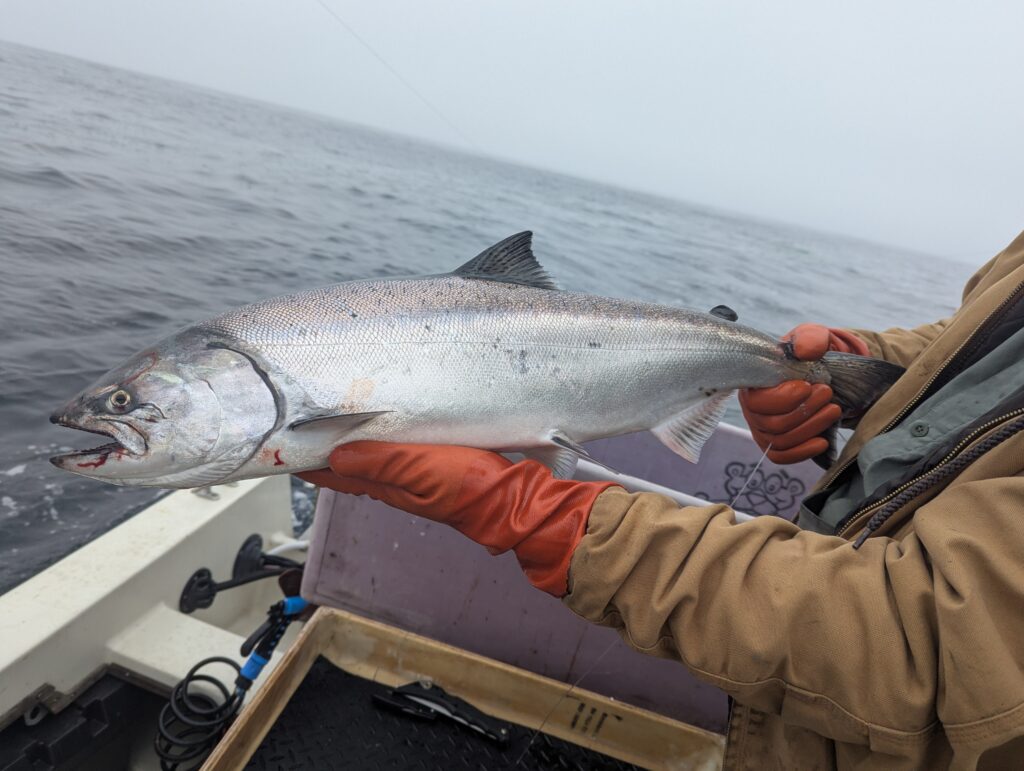
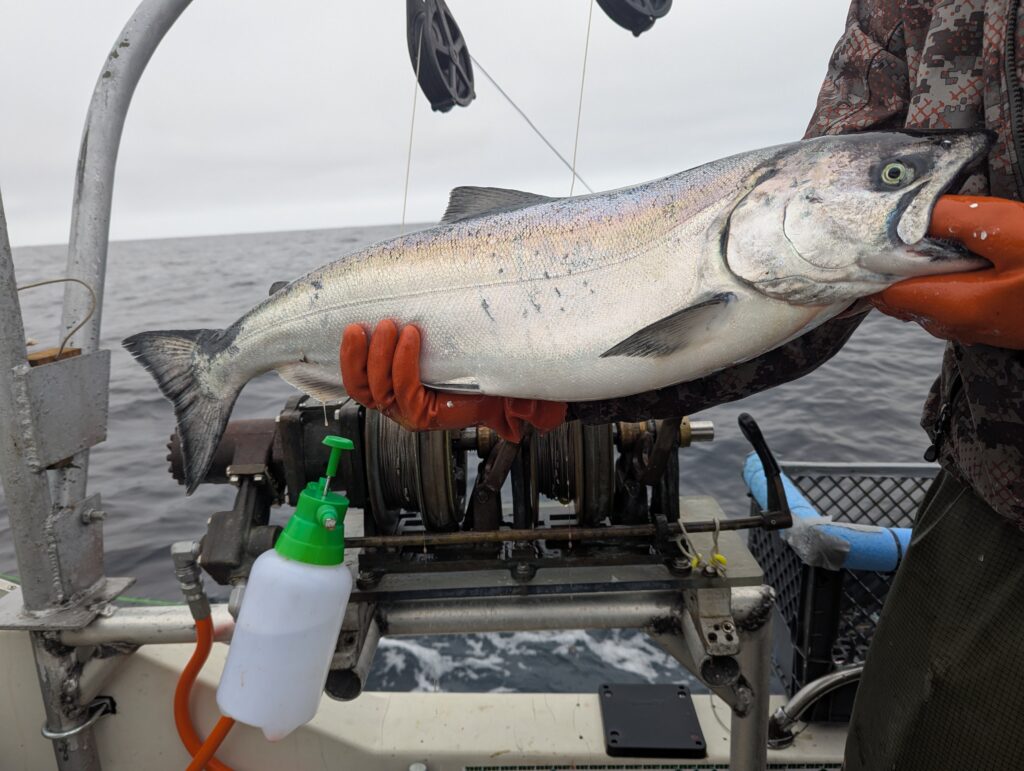
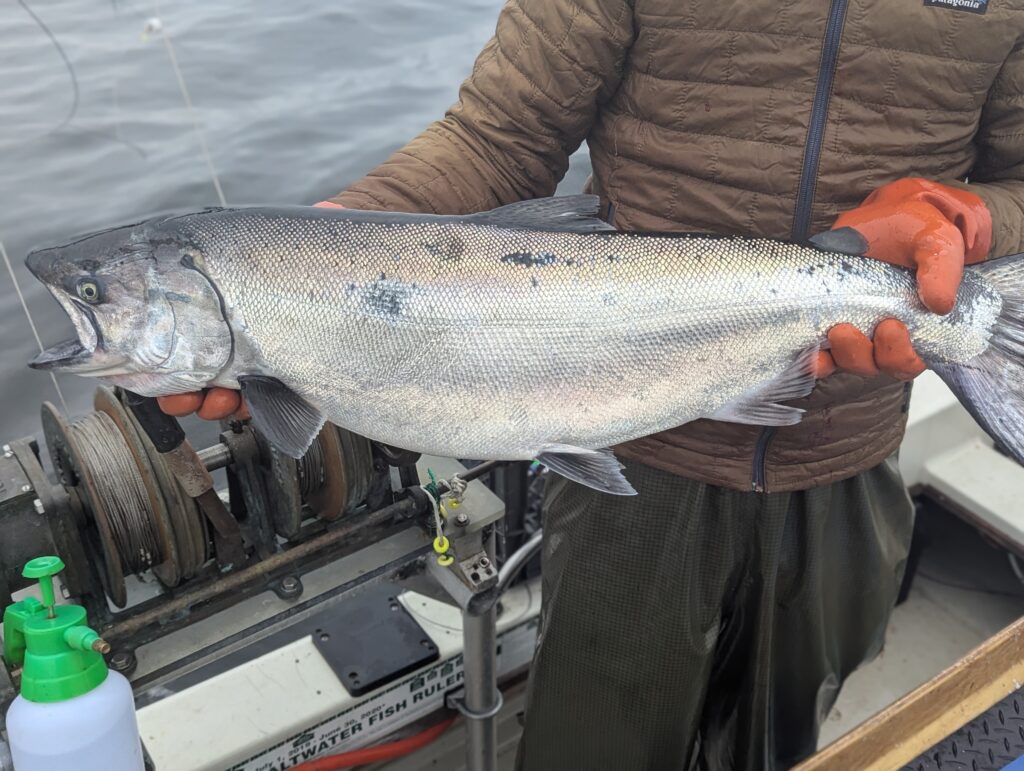
As of early 2026, the California salmon industry stands at a pivotal crossroads. After three consecutive years of commercial closures (2023–2025), the 2026 season is widely projected to open, returning Pacific Chinook to both the recreational and commercial fishing industries in California. I know we all got hot under the collar last year with a half closed season.
While official regulations from the Pacific Fishery Management Council (PFMC) will not be finalized until April 2026, biological data and environmental trends indicate a cautious yet optimistic reopening. Keep up to date by checking their salmon management page or by signing up for 2026 season updates.
The primary driver for the 2026 rebound is the lifecycle of the Chinook salmon. The fish returning to spawn this year were born during the exceptionally wet winters of 2023 and 2024. Unlike the cohorts that perished during the 2020–2022 drought, these “Class of 2026” salmon benefited from high river flows that flushed juveniles safely to the ocean and provided abundant nutrients.
Preliminary estimates from the California Fisheries Blog suggest a fishable ocean stock of 400,000 to 800,000 two-to-four-year-old salmon. If these numbers hold, the escapement (fish returning to rivers) could exceed 200,000 adults, comfortably surpassing the conservation target of 122,000–180,000 for the Sacramento River Fall Chinook.
Several transformative shifts in California’s water and habitat management are influencing this year’s outlook:
Klamath River Dam Removal: For the first time in a century, the Klamath River is free-flowing following the 2024 dam removals. Scientists have already observed salmon reoccupying hundreds of miles of historic habitat. This long-term restoration provides a massive “wild card” for the 2026 season and beyond.
Hatchery Success: High river flows in 2023 and 2024 allowed hatcheries to release smolts directly into rivers rather than trucking them, which improves “homing” instincts and survival rates for the fish returning this year.
The “Jack” Indicator: Strong numbers of “jacks” (two-year-old males that return early) observed in late 2025 are a classic biological signal that a robust population of three-year-old adults is waiting in the ocean for 2026.
While a full “return to normal” is unlikely, 2026 will likely see a phased reopening:
| Fishery Type | 2026 Outlook |
| Recreational | Expected to open with expanded dates and bags compared to the 2-day limited “test” seasons of 2025. |
| Commercial | 60 to 100 fish weekly limit depending on zone. Highly likely to reopen, though with “surgical” closures in certain zones to protect struggling Klamath or Winter-run stocks. |
| Tribal | Continued prioritization of subsistence and ceremonial harvests, especially in the newly opened Klamath Basin. |
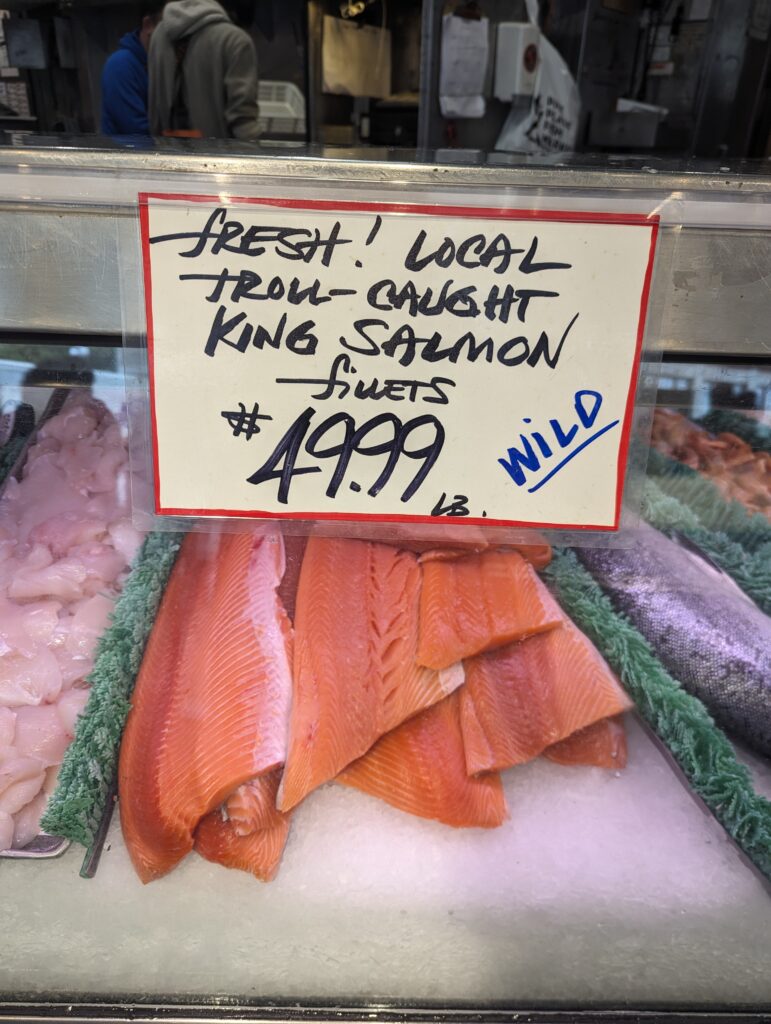
California’s salmon are cyclical, with boom-and-bust waves. With a steady trend downwards. After the “bust” of the early 2020s, the stars have aligned for a 2026 “boom.” However, the PFMC remains wary of climate volatility. Even with high fish counts, expect strict management to ensure this recovery isn’t just a one-year fluke, but the start of a more resilient era for California’s most iconic fish.
Either way, right now it is looking like it’s time to get the gear ready. All signs indicate we will get a limited Salmon Season for Commercial and Recreational Fishing.
Get on the list for next season's catch dates, dock sales, and first pick of fish caught in Monterey Bay.